
BLOG
5 Reasons to Discover Arabba and the Dolomites in Winter
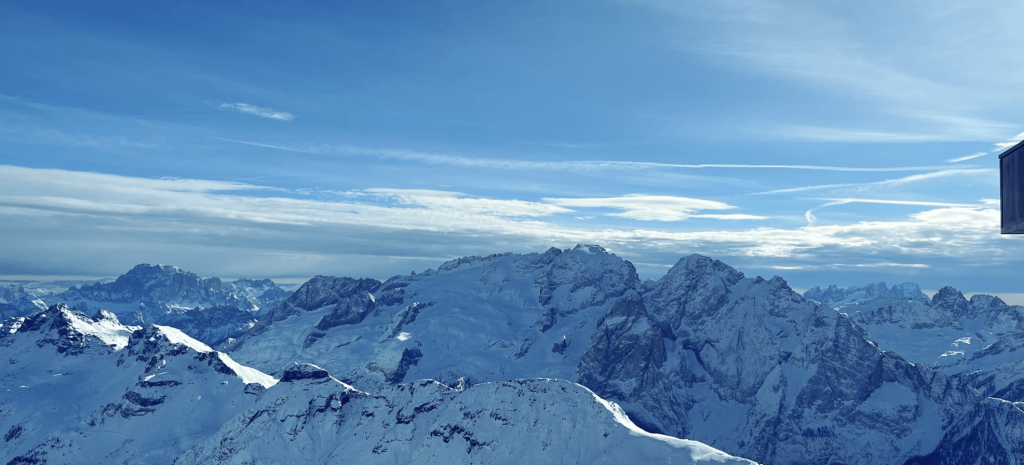
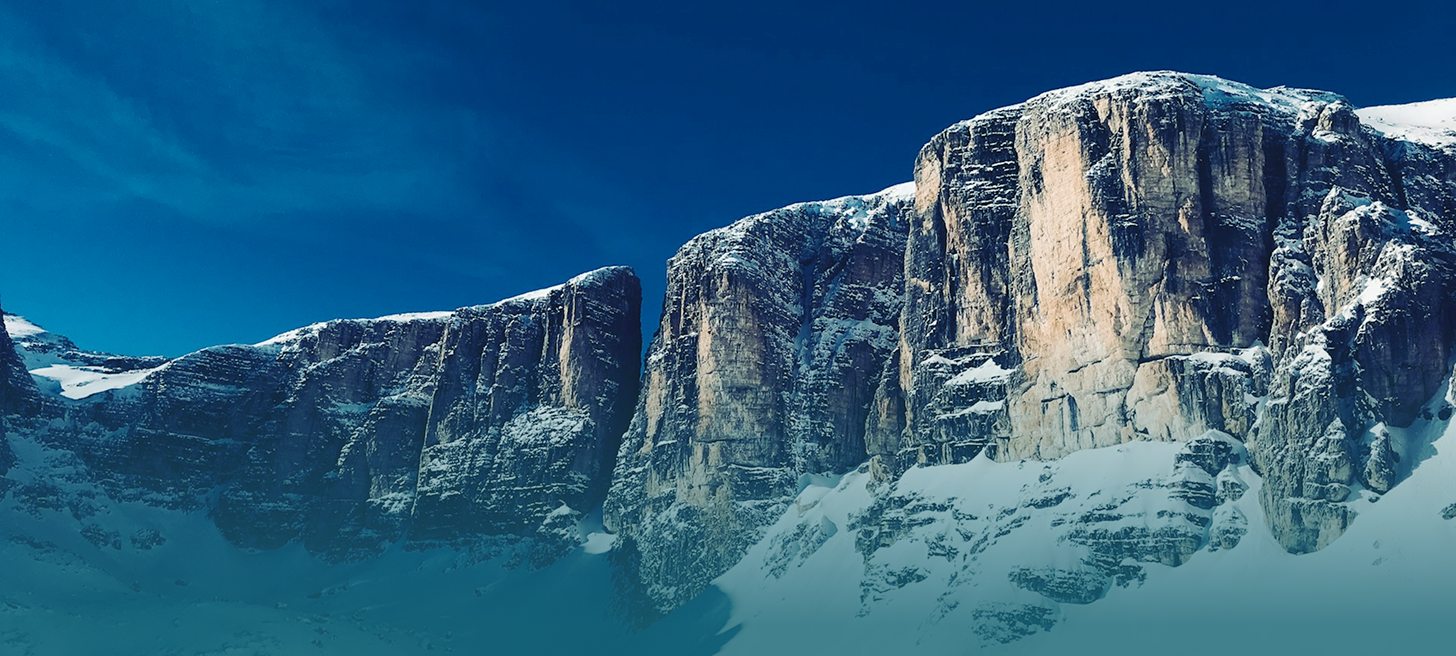
Nestled in the heart of the Dolomites at an altitude of 1,602 metres, Arabba ranks among the most authentic villages in the range. This small settlement, a frazione of the municipality of Livinallongo del Col di Lana in the province of Belluno, draws skiers from across Europe every winter for the quality of its ski area, the beauty of its landscapes and its well-preserved mountain atmosphere. Unlike some resorts built from scratch in the 1960s, Arabba has kept the character of a genuine mountain village, with family-run hotels and small shops clustered around the church dedicated to Saints Peter and Paul. The village sits in the Veneto region, about 120 kilometres from Venice and 45 kilometres from Belluno, at the crossroads of the Pordoi, Campolongo and Falzarego passes. The surrounding Dolomites have been listed as a UNESCO World Heritage Site since 2009, a recognition that highlights the singularity of these limestone peaks, shaped by erosion into towers and spires quite unlike the granite massifs found elsewhere in the Alps. Here are five reasons why this village makes an excellent base for a ski holiday in the Dolomites.
Direct access to the largest ski area in the world
Arabba sits at the heart of Dolomiti Superski, the largest linked ski network in the world, with more than 1,200 kilometres of pistes spread across twelve areas accessible with a single pass. This central position lets you reach the neighbouring areas of Alta Badia, Val Gardena or Val di Fassa within minutes, without ever taking your skis off. The village itself has around twenty lifts serving more than 60 kilometres of local pistes, at altitudes between 1,602 and 2,478 metres, at the foot of the Sella massif. This scale makes Arabba an ideal base for varying your itinerary over several days, without ever skiing the same run twice, and for planning day trips to neighbouring valleys such as Cortina d’Ampezzo, about an hour’s drive away. The area also benefits from reliable snow cover from December to the end of April, thanks to the village’s altitude, the north-facing aspect of many slopes and one of the most efficient snowmaking systems in the Alps. Snowboarders and freeriders will also find several off-piste zones, particularly around the Marmolada glacier sector, as well as a snowpark with features for all levels. A single Dolomiti Superski pass covers the whole network, which simplifies trip planning and leaves plenty of freedom to build your own itinerary from one day to the next, depending on weather and snow conditions.
The Sella Ronda, a legendary tour around the Sella massif
Arabba is one of the starting points of the famous Sella Ronda, also known as the tour of the four passes. This iconic circuit links the Campolongo (1,875 m), Gardena (2,121 m), Sella (2,240 m) and Pordoi (2,239 m) passes over roughly 40 kilometres of pistes, using around fifteen lifts. It allows skiers to circle the entire Sella massif in a single day, clockwise or counter-clockwise, with some of the most spectacular views in the Alps. The route draws thousands of skiers every season, drawn by the chance to cross four different valleys, spanning Veneto, Trentino and South Tyrol, without ever leaving their skis on. A reasonable level of fitness is enough to complete it in a day, with plenty of mountain huts along the way serving hearty local food. The Pordoi Pass, the highest point of the circuit on the Arabba side, is worth the detour on its own for the view over the Sella massif and the Marmolada in the distance, especially at sunset when the dolomite rock turns its characteristic pink shade, a phenomenon known locally as enrosadira.
An area built for confident skiers, between Porta Vescovo and the Marmolada
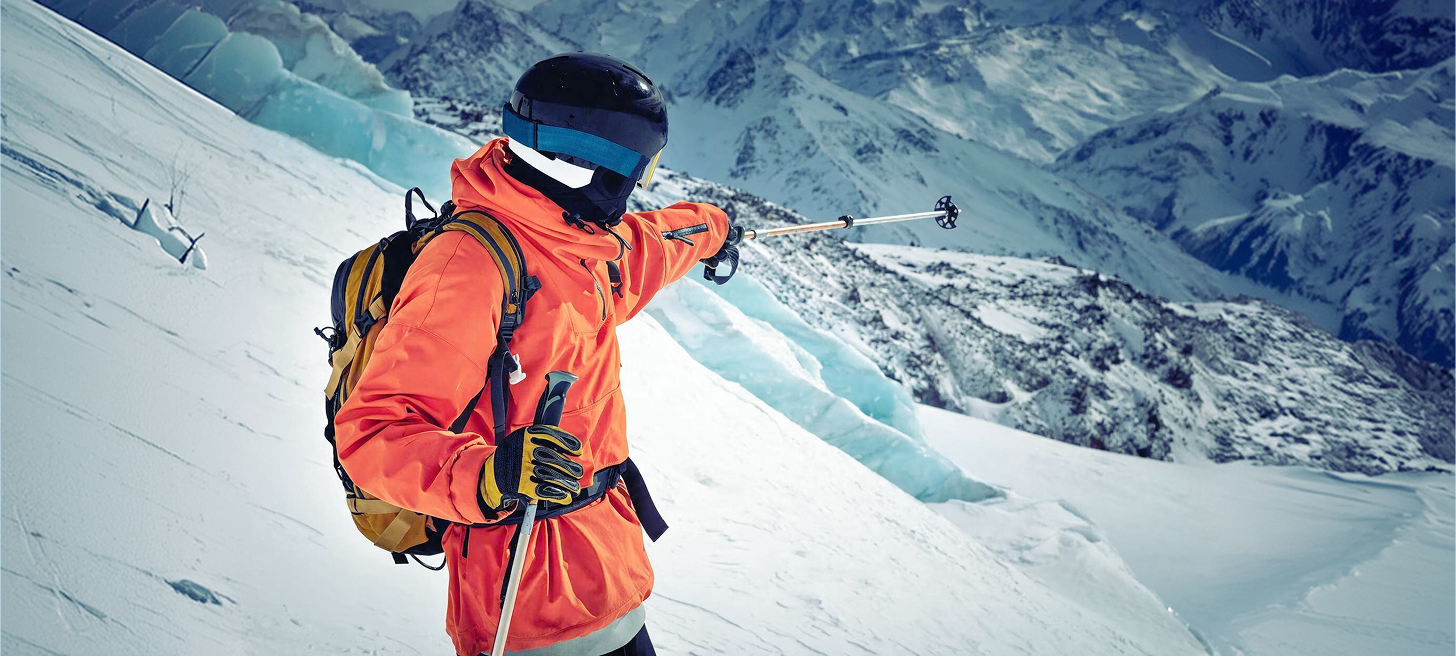
Arabba’s ski area has a reputation for being demanding. Its famous Porta Vescovo sector, reached by cable car up to 2,478 metres, offers around ten red and black runs considered among the finest in the Dolomites, including the Ornella and the Fodoma. Confident skiers will find a vertical drop of close to 900 metres and well-preserved snow thanks to the north-facing slopes. Beginners have a small dedicated area for their first turns near the village, at the foot of the Burz lift, although the gentler slopes are found more around Corvara and Colfosco, a short lift ride away. This setup suits families who want to progress at their own pace while still using Arabba as a base, and several local ski schools offer group and private lessons with qualified instructors, for first turns as well as introductions to off-piste skiing. From the village, access to the Marmolada glacier, the highest point in the Dolomites at 3,342 metres, opens the way to the Bellunese, a 12-kilometre descent with almost 1,800 metres of vertical drop, considered one of the most spectacular runs in the region and something of a rite of passage for many experienced skiers.
An authentic village, steeped in Ladin culture and history
The area around Arabba belongs to the Ladin valley of Fodom, where part of the population still speaks Ladin alongside Italian in daily life. The Museo Ladino Fodom, based in Pieve di Livinallongo, traces the history of this culture as well as the tragic events of the First World War that took place on the Col di Lana, once nicknamed “the mountain of blood” because of the fighting against Austro-Hungarian troops, which culminated in the detonation of several tonnes of explosives in April 1916. Nearby, Andraz Castle, built around the year 1000 and long the residence of the Prince-Bishops of Bressanone, rounds out this heritage shaped by centuries of alpine history. In the evening, traditional stubes and small restaurants in the village serve hearty Ladin and Tyrolean food, from canederli in broth to casunziei with melted butter and polenta served with gulasch slow-cooked in the traditional copper pot known as the ciaudrin. This simple but flavourful cuisine, rooted in a region that was long short on resources, makes a fitting end to a day on the slopes.
A stay made easier by renting equipment locally
To make the most of this ski area without hauling your own equipment from home, renting locally remains the most practical option. In Arabba, the Orizon Rent and Okay Rent shops offer skis, boots and accessories suited to every level, with the option to book your equipment online before you arrive. This means you can collect your gear as soon as you step off the car or shuttle and head straight to the slopes without wasting time on site. For confident skiers taking on the Porta Vescovo or tackling the Sella Ronda, having recent, well-adjusted equipment suited to your level and build makes a real difference on such technical terrain. Both shops also offer personalised advice to guide each customer towards the equipment best suited to their experience and goals for the trip.
Between its exceptional ski area, its well-preserved cultural heritage and the simplicity of its practical organisation, Arabba brings together everything that makes for a good winter stay in the Dolomites. The season generally runs from early December to early April, with the most reliable snow cover on the higher sectors between January and March. Whether you come to take on the Porta Vescovo, complete the Sella Ronda tour or simply admire the view from the Marmolada glacier, this village at the heart of the massif has enough to keep beginner and expert skiers busy over several days, in a setting that, despite its fame, remains one of the most unspoiled in the Dolomites.