
BLOG
5 Reasons to Discover Arabba and the Dolomites in Summer
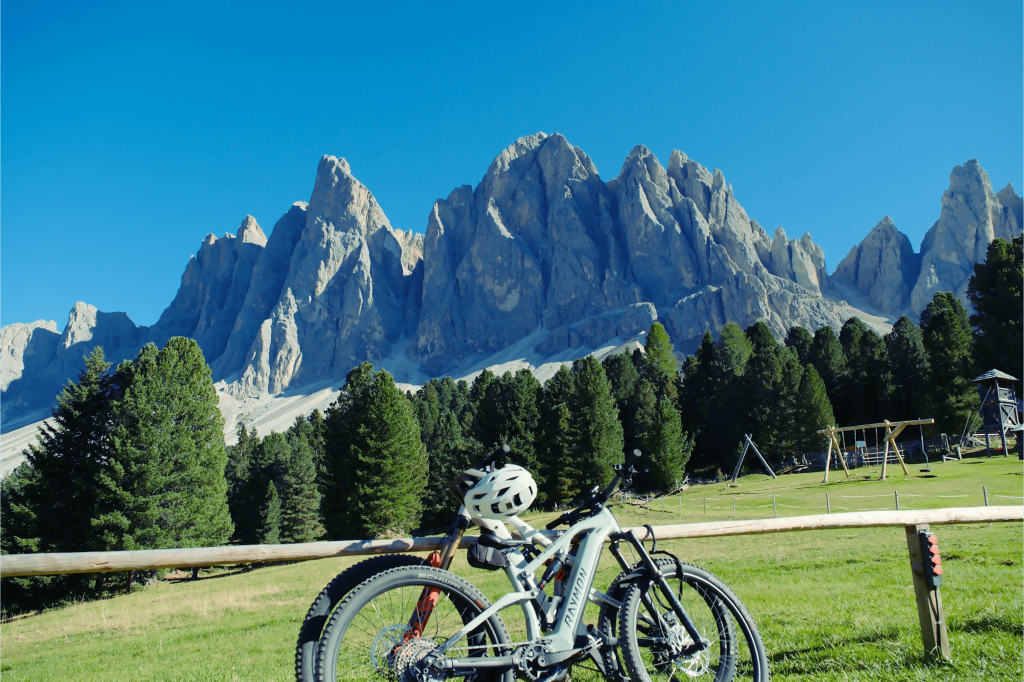
When the snow melts off the Dolomite peaks, Arabba changes character without losing its appeal. The village at the foot of the Sella massif, sitting at 1,602 metres, becomes a summer base sought out by cyclists, hikers and outdoor lovers looking to escape the heat of the lowlands. Far removed from the winter crowds of the skiable Sella Ronda, the warmer months bring a different, quieter pace built around trails, passes and alpine pastures. The village keeps its mountain-resort atmosphere all year round, but summer brings out another side of the area, between Ladin heritage, legendary cycling routes and alpine huts still making cheese and ricotta the way they did a century ago. Here are five reasons to discover Arabba and the surrounding Dolomites during the summer months.
The Sellaronda Bike Day, a car-free day around the Sella
Twice a year, between June and September, the four passes that encircle the Sella massif (Campolongo, Gardena, Sella and Pordoi) close to motor traffic from 8:30 am to 4 pm to make way for cyclists. This non-competitive event, open to everyone, draws thousands of participants who ride the roughly 50-kilometre circuit at their own pace, climbing between 1,650 and 1,800 metres depending on the direction chosen. Arabba sits directly on the route, between the Campolongo and Pordoi passes, and becomes a lively stopping point for the day, with refreshment stands, music and terraces packed with cyclists taking a break. Some editions have drawn as many as 18,000 participants across the whole circuit, proof of the success of a day designed above all as a shared celebration of cycling rather than a race. A later autumn edition also lets riders enjoy the changing colours of the mountain vegetation, in a quieter atmosphere than summer, over the same 51.8-kilometre route with around 1,680 metres of climbing across the four passes.
The Pordoi Pass, a legendary climb in Italian cycling
Outside the Bike Day dates, the roads around Arabba remain open to traffic but continue to draw cyclists throughout the season. The Pordoi Pass, at 2,239 metres, is one of the most sought-after climbs in the Dolomites: the ascent from Arabba runs 9.4 kilometres with 637 metres of elevation gain, at an average gradient close to 7%. This pass regularly features in the Giro d’Italia and the Maratona dles Dolomites, the major cyclosportive that crosses several of the range’s iconic passes each year. A monument to Fausto Coppi stands at the summit, honouring the rider who left his mark on the history of these climbs. Road cyclists therefore find, around Arabba, training terrain comparable to that of the greatest cycling tours, with views over the Sella group and the Marmolada to accompany the effort. The Campolongo and Falzarego passes, also within reach of the village, allow you to build other day routes, shorter or longer depending on your level, without ever riding the same road twice, each with its own character depending on exposure and traffic.
A playground for hiking and mountain biking
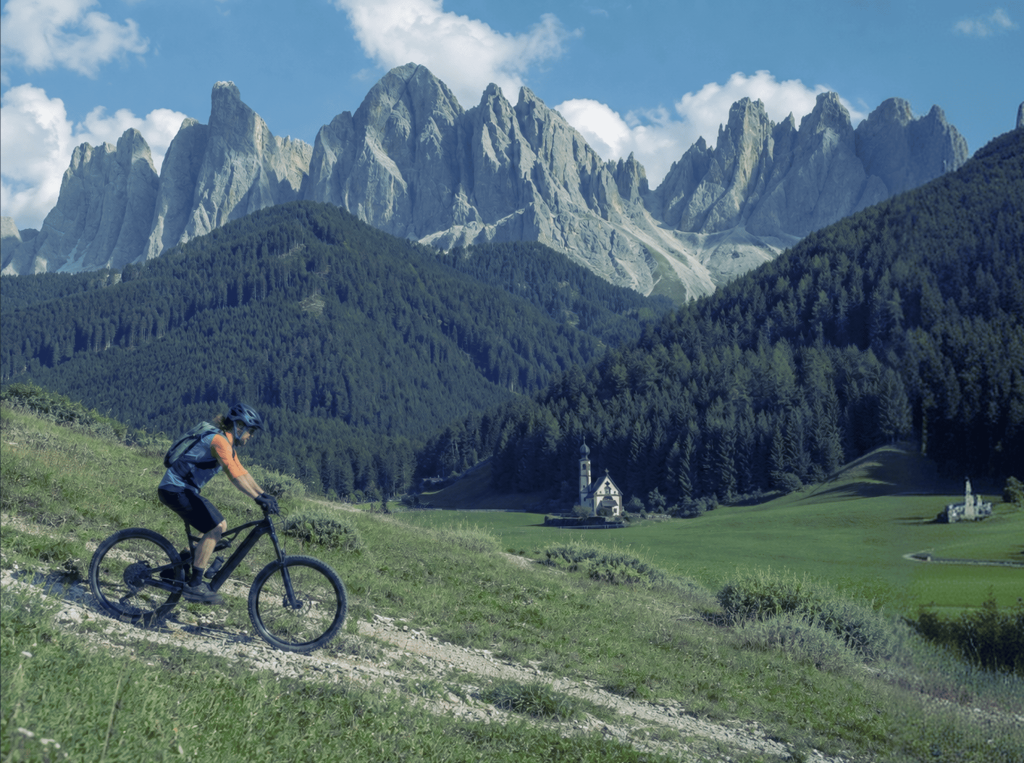
Come summer, most of the lifts that serve the ski slopes stay open and make it easy to reach the hiking trails and mountain bike routes that criss-cross the Sella massif and the area around the Marmolada. The Sellaronda MTB Tour, the summer version of the winter circuit, takes six to nine hours depending on the direction and the riders’ level, alternating between technical singletrack and smoother forest roads. For hikers, the trails leaving Arabba lead to mountain refuges, alpine lakes and viewpoints over the limestone towers so characteristic of the Dolomites, listed as a UNESCO World Heritage Site since 2009 for the uniqueness of their landscapes. Some trails also follow the route of former First World War military paths, now equipped as via ferrata for those seeking something more technical, with cables and metal ladders securing the way. These routes call for proper equipment and good knowledge of the terrain, so many visitors choose to go with a local mountain guide, particularly on the more exposed sections around the Marmolada massif.
A living cultural and historical heritage
Summer is also the best season to visit the cultural heritage of the Fodom valley. The Museo Ladino Fodom, in Pieve di Livinallongo, opens from late June to late September and traces the history of local Ladin culture, through legends, rural traditions and memories of the First World War. The nearby Col di Lana was the site of fierce fighting between Italian and Austro-Hungarian troops until, in April 1916, the detonation of several tonnes of explosives tore off the summit of the mountain, still nicknamed “the mountain of blood” today. A museum dedicated to this period, open from June to early October, displays several hundred period artefacts along with reconstructed barracks and trenches. Nearby, Andraz Castle, a medieval fortress built around the year 1000 and long the residence of the Prince-Bishops of Bressanone, is also open during the warmer months and rounds out this journey through the region’s turbulent past. The area also preserves several memorials, such as the military shrine at Pian di Salesei and the ossuary at the Pordoi Pass, which bear witness to the scale of the fighting that took place at this altitude between 1915 and 1917.
Alpine huts and the flavours of the Fodom valley
Summer is finally the season to enjoy the malghe, the high-altitude pastures where livestock graze once the snow melts. The Latteria di Livinallongo, near Pieve di Livinallongo, produces typical cheeses there such as Fodom, made only in summer, alongside Renaz, Cherz and Contrin, as well as fresh and smoked ricotta. Many huts and pastures around Arabba serve these products on site, with views over the surrounding peaks, after a hike or a bike ride. Ladin cuisine draws on a repertoire of simple but flavourful recipes, inherited from a region that was long short on resources: local spices such as cumin or horseradish, barley-based panicia soup, or grestl, a meat and potato dish seasoned with juniper berries. In the evening, the village restaurants round things off with hearty Ladin and Tyrolean cooking, from canederli to casunziei and polenta, prepared with the same local produce that has made the valley’s reputation, before finishing the meal with something like smorn da pom, thick pancakes filled with apple and raisins.
Between its legendary passes, its hiking trails and its cultural heritage open throughout the warmer months, Arabba deserves a visit in summer just as much as in winter. The summer high season generally runs from June to September, with the best conditions for hiking and cycling between July and August, when the mountain refuges and valley museums are open every day. Evening temperatures stay cool despite the village’s moderate altitude, which also makes it a popular destination for escaping the heat of the surrounding lowlands. Whether you come to take on the Pordoi Pass, explore the trails of the Sella massif or simply learn about the history of the Fodom valley, this Dolomite village offers another side, just as rich, of its mountain territory.